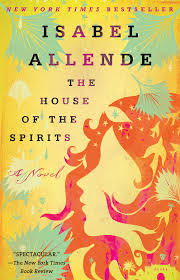
The House of the Spirits, also known in the book as ‘the big house on the corner,’ is the abode of the del Valle/Trueba dynasty. It is also a living nucleus and serves as an inspired metaphor in Isabel Allende’s first ever novel (1982). The metaphor? Houses often represent consciousness in dreams (upper floor your conscious mind and the basement your unconscious) and Allende manages to bring to life this imagery. There are magical moving tables and rooms that house the mystical-minded characters. But it is the egotistical patriarch Esteban Trueba and his clairvoyant, but strangely disconnected wife Clara, who drive the novel forward.
The Violence
Latin America is known for its culture of colorful legends and myths. Magical realism as a genre abounds from the region but Allende’s blend includes political, economic, and historical commentary elegantly weaved through. Why this fascinates me personally is the history. Learning the scary political pasts via travels through Colombia, Argentina, Panama, Puerto Rico, and Mexico, I was left moved beyond words and this deepened my connection to this book. The utter grit mined and displayed in Allende’s characters through some of the vivid scenes of abuse and misogyny are otherworldly. Especially the horrifying treatment of Esteban’s granddaughter Alba in the final chapters of the book. Her only salvation, the fellow female prisoners around her.
The book is an apt reminder that the deplorable conflicts of our world go deeper than we can ever know. Their impact on the human psyche truly is unspeakable. Actually, I often wonder if the problems of today are an attempt to pay off the debts of our historical wrongs. But this we all already know, right?
The Healing
What doesn’t get the headlines is the goodness, the softness, the compassion that terrible realities also seed. Allende showcases the Trueba family’s collective individuation, as a Jungian might say. Reeling through their human traumas and dramas, by the end of the novel we see how the lineage copes (only some heal) through memory and storytelling, material detaching and spiritual coupling, and utilizing belief, faith and magic to reveal truths. We see generations reincarnate (Uncle Marcos and Nicolás), class and privilege inverted with heroic results (Transito) and characters come to fulfillment through the difficult but important work of marrying their conscious and unconscious selves (Jaime). This for me is the gem of the work, the hope we can and should aspire to even in the darkest of nights. Unfortunately this does not happen for all characters. Esteban’s violence and aggression, which does not abet even upon the door death, begs the question: was he a product of the political environment he was raised, or vis versa?
Finally, although Clara was a divisive character (modern women appreciate their voice and Clara was mute and enabling in many ways around misogynistic behavior), she was anchored in her vision of goodness for everyone around her. For that I admire her. Furthermore, she had maybe one of my favorite one-liners ever: “I hope that all that Anglo-Saxon phlegm doesn’t turn you into morons.” Don’t ask me why, you just have to get it.
Also, she doesn’t like doing her chores. Epic.


Leave a Reply